The Guide Training Gap Most Tour Operators Don’t Have Time to Solve
If you run an adventure travel company, outdoor program, expedition operation, or tour business, you already know how much has to be covered before a season begins.
Guide training usually focuses on company inductions, destination specifics, safety systems and logistics.
All of it matters.
But there is one part of guide development that often gets squeezed out of staff training: the human side of guiding. That is where many of the most common operator headaches begin. Technical skills are only part of the job.
Most adventure travel operators are good at training the obvious parts of the work. But how many guests have ever said "The trip was amazing because my guides didn't forget any gear and tied knots really well!"
Guides also need to manage people, communicate clearly, read group dynamics, make sound decisions under pressure, maintain professionalism, interpret place, and deliver a consistent guest experience.
Those are not “extra” skills. They are the skills that determine whether your guests actually have a great trip or not.
The recurring guide performance problems operators know well
When the human side of guiding is underdeveloped, the same performance issues tend to show up again and again.
- Guests are technically safe, but the experience feels unexciting and stale.
- A guide knows the route, but struggles with guest personalities and expectations.
- A team is organized and prepared, but poor communication creates a lack of trust and conflict.
These are common issues across adventure travel, expedition cruising, wildlife tourism, outdoor education, and guided travel. They are also expensive issues. Not always in obvious ways, but in the day-to-day pressure they create for managers, senior staff, and operations teams. Worst-case is having to refund money to dissatisfied guests.
Inconsistent guiding can lead to more guest complaints, more staff conflict, more onboarding time, more pressure on senior guides, and less confidence when assigning people to trips.
That is the guide training gap.
What to include in adventure guide staff training
If you are designing training for your guide team, look beyond your typical field training. Include the training helps guides with the problems that actually show up in the field.
Good adventure guide training should address:
-
Guest management
-
Communication
-
Teamwork
-
Decision-making
-
Risk awareness
-
Interpretation
-
Professional standards
-
Service delivery
-
Conflict avoidance and resolution
-
Leadership under pressure
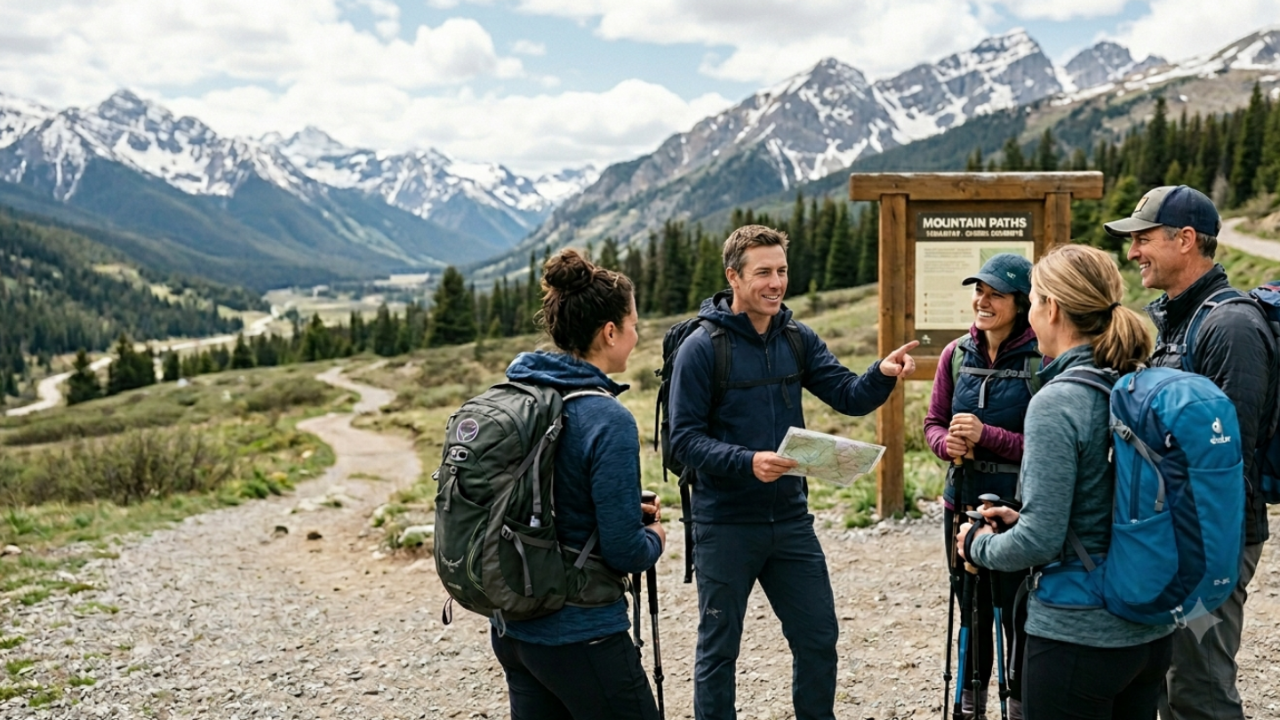
It should also be relevant across different types of trips. The exact activity may change, but the human side of guiding is remarkably consistent. Whether a guide is leading a hike, wildlife trip, expedition cruise landing, cultural tour, paddling excursion, or multi-day adventure, they are still managing people, expectations, communication, and the overall experience.
That is where professional guide development has the greatest return. If you're not already, I highly suggest incorporating human skills training as a regular and essential part of your pre-season guide team training.
_____
Do you want assistance training your team?
Waypoint Guide Academy helps adventure travel companies, tour operators, expedition teams, and outdoor programs strengthen the human side of guiding.
Our training options include the Essential Guide Skills Course + Certificate, specialized online classes, custom webinars, field workshops, and The Professional Guide’s Handbook.
The goal is simple: help operators build more capable, consistent, and self-sufficient guide teams – while improving the guest experience and reducing your own mentorship workload.
If your team is already strong technically but you want more consistency in guest experience, communication, professionalism, judgment, and leadership, I can help you achieve that.
Explore Waypoint's Adventure Guide Staff Training for Tour Operators
Don't Miss a Thing
Pro tips, news and exclusive offers delivered right to your inbox (occasionally).
Unsubscribe anytime.